
Before the Category
What was true before the industry arrived — and what remained true after it changed.

Hello Legends.
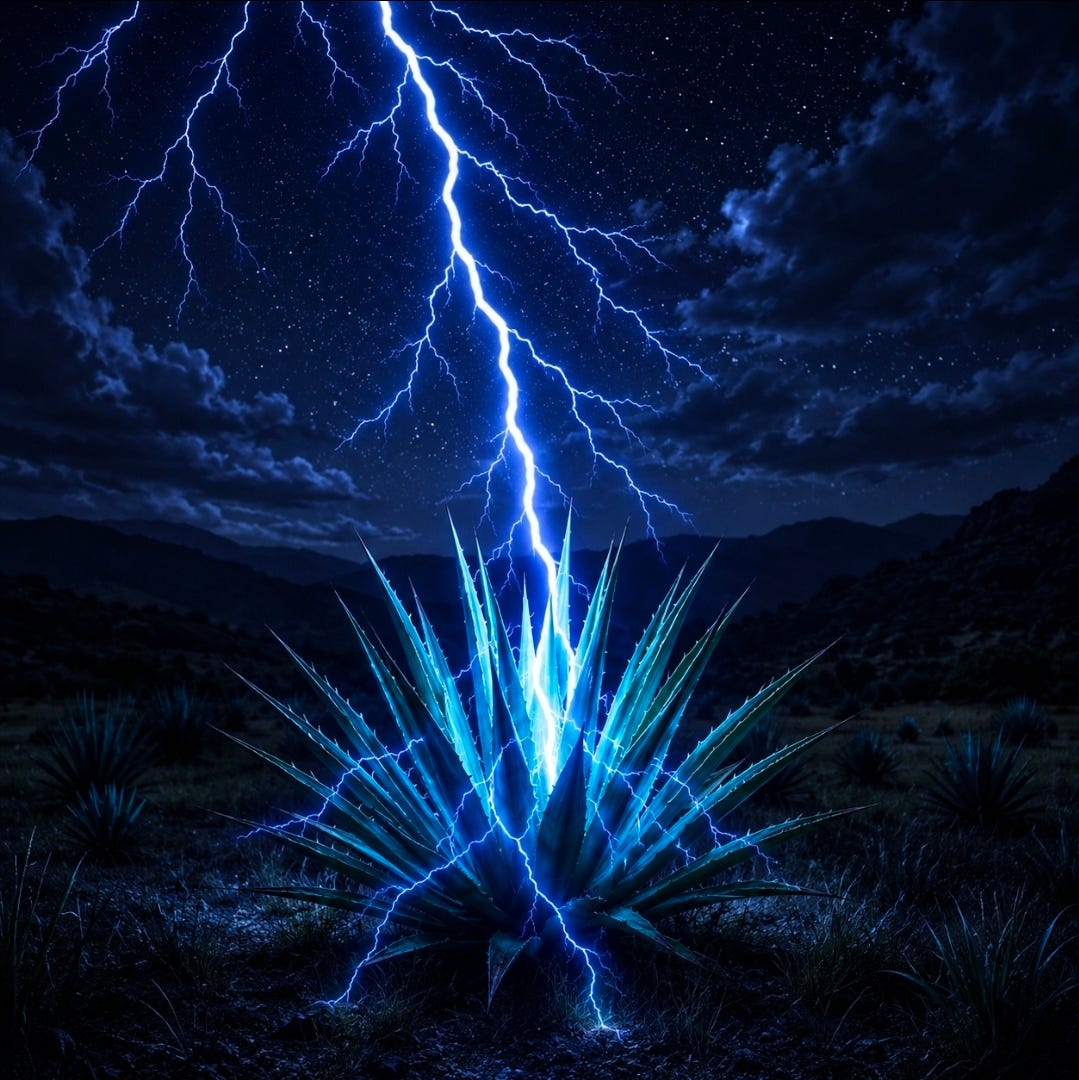
Before there was a category, there was a plant.
Before the denominations. Before the regulations and the NOMs and the appellations. Before the distilleries, the distributors, the crystal decanters.
There was Agave. Growing in volcanic soil. Under a sky that had not yet learned to assign value to what it was producing.
The plant did not know it would become the center of a multi-billion dollar industry.
It simply grew.
Everything it was capable of becoming was already inside it. The sugars accumulating slowly. The cellular structure built over years of cold nights and dry seasons. The quiet biological work that no timeline could accelerate without consequence.
The plant was already extraordinary before the category learned how to market it.
That is where this begins.
The Revelation
More than five centuries ago, something happened in a field of agave.
Fire met the plant. The heart caramelized. The sugars transformed. What emerged was fragrant, complex — unlike anything the earth had offered before in that form.
The people who witnessed it understood immediately.
They called it mexcalli. From the Nahuatl metl, meaning agave, and ixcalli, meaning cooked.
The word is precise. Not mystical. A description of what actually happened — agave, cooked — compressed into a single term that carried the weight of an entire discovery.
What was discovered was not a recipe.
It was a revelation about the plant itself.
That its complexity was already there. That it did not need to be invented. That the right conditions — time, heat, the specific character of a specific place — were enough to reveal what had been accumulating for years beneath the surface.
Everything that would later be called tequila, mezcal, raicilla, bacanora — every agave spirit that would eventually reach a bar in London or a tasting room in New York — begins with that single observation.
The plant was already extraordinary.
The fire simply proved it.
The Departure
For a long time, the industry understood this.
The earliest producers worked with what the field offered. They waited for the plant to finish. They cooked it because that was what the transformation required. They distilled what emerged without correcting it — because there was nothing to correct. The complexity was already present. The process was a matter of honoring it.
Then the category grew.
And growth, at the scale that tequila eventually achieved, changed the relationship between the industry and the plant in ways that were never announced and rarely examined.
The Blue Weber Agave became the most commercially cultivated plant in Mexican agriculture. Brands multiplied. Celebrity partnerships arrived. Distribution expanded to every market simultaneously. The demand for consistency — for a bottle that tasted identical in Tokyo as it did in Texas — created pressure that the agricultural system was never designed to absorb.
Somewhere along the way, the category stopped protecting the thing itself.
Not dramatically. Not through a single decision.
Through a series of rational choices — each one defensible in isolation — that together produced a spirit increasingly distant from the original revelation.
The diffuser extracted sugars from unripe plants without cooking them. Additives restored the smoothness that the shortened process could not produce naturally. The crystal decanter communicated luxury more efficiently than the liquid inside it could.
None of this was hidden. Some of it was celebrated.
And the market responded — because the market had been trained to respond to exactly this. Prestige communicated through placement. Luxury measured in bottle design. Quality signaled by price point and association rather than discovered through the glass.
The category learned to construct value around perception.
The plant waited.
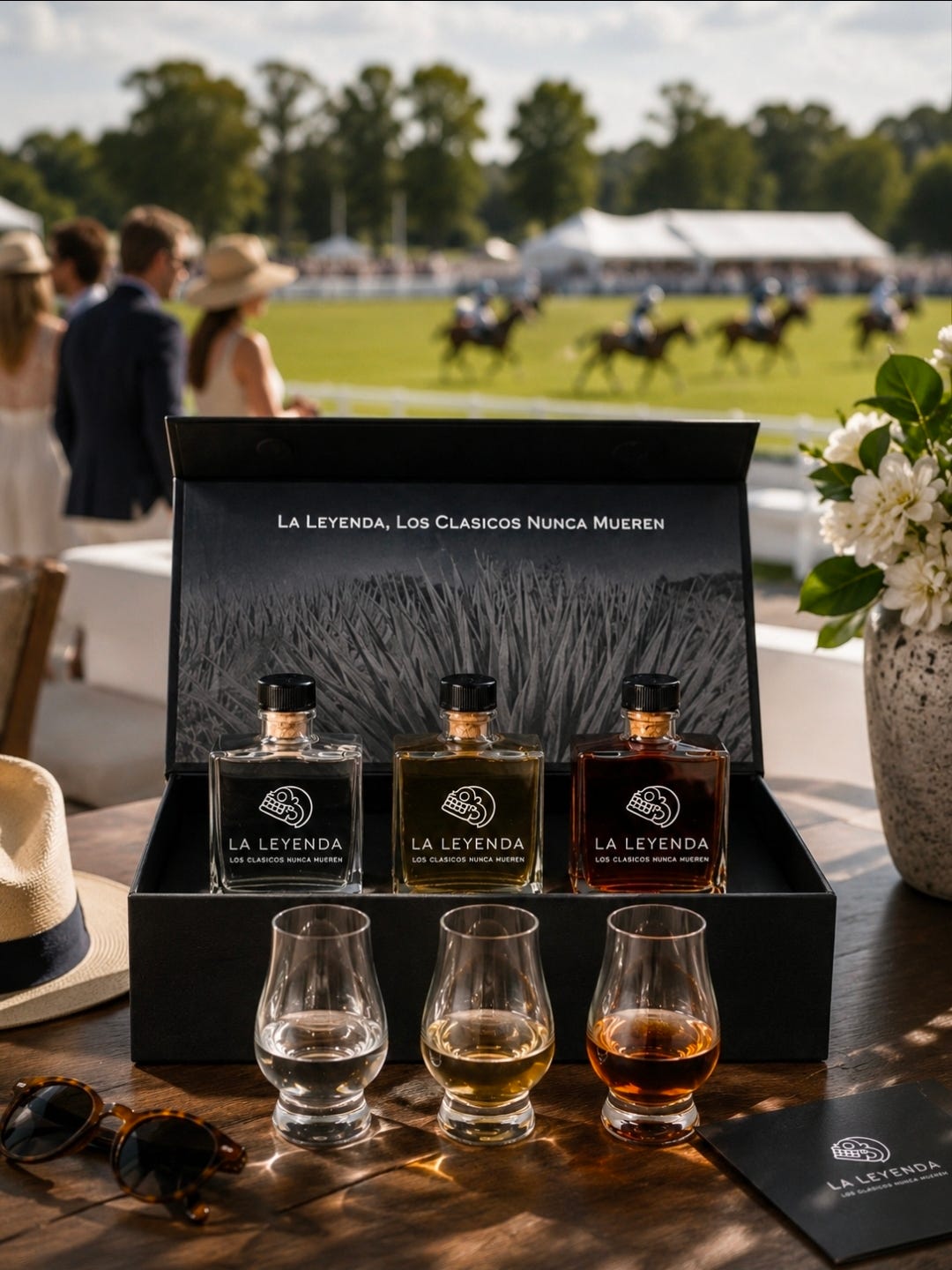
If you want to understand what the plant produces when nothing is corrected — when the original standard is simply honored — the Sipping Experience Kit is where that answer lives. Not a philosophy. A reference point.
The Fidelity
La Leyenda is not a traditional mezcal in the way that word is commonly understood.
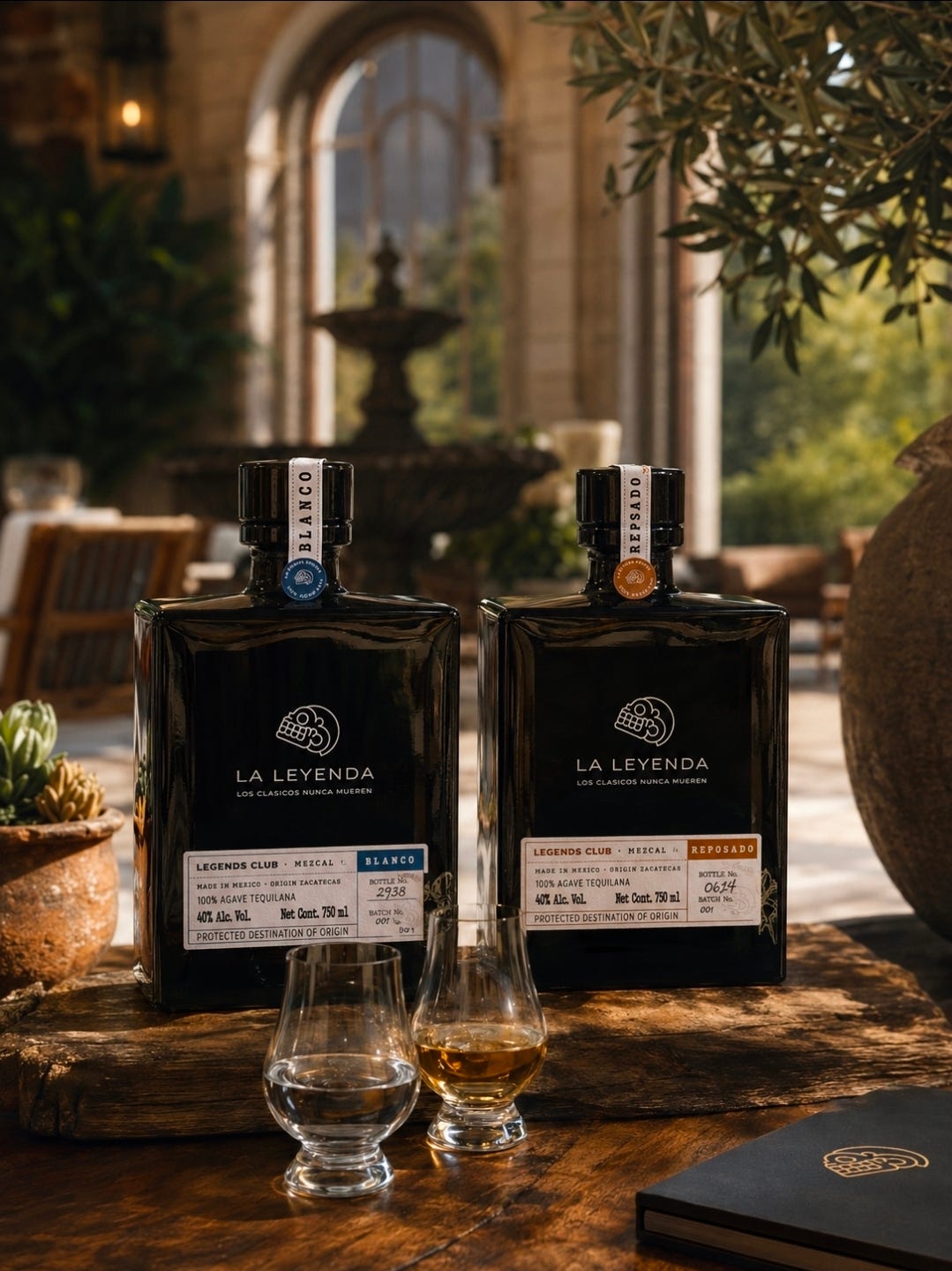
It is produced in Zacatecas — not Oaxaca. From Blue Weber Agave — the same species as tequila. Steam-cooked rather than pit-roasted, which means it carries no smoke. Mineral, structured, and clean.
A mezcal that the tequila drinker can encounter without the sensory adjustment that traditional mezcal sometimes requires.
It sits at the precise intersection of both worlds. Carrying the agricultural doctrine of mezcal — Full Term maturation, honest process, vertical integration, the refusal to separate the spirit from the place that produced it — while speaking a language that the tequila drinker already knows.
607 hectares of estate-grown agave in the Zacatecas Highlands. Full Term maturation — the plant harvested when it is ready, not when the calendar demands it. Steam-cooked to preserve the mineral character of the terroir. A proprietary yeast developed from the same estate. Double distillation, heads and tails discarded. Nothing added. Nothing corrected.
This is not innovation.
It is not a new method or a disrupted process or a category-defining technology.
It is simply what was always supposed to happen — maintained without interruption while the category around it chose a different direction.
Not out of stubbornness.
Out of the understanding that what the plant was capable of producing — given the right conditions and the right amount of time — did not need improvement.
It needed protection.
Our Blanco and Reposado are the physical expression of that protection. The Zacatecas Highlands arriving in the glass without interference.
The Strange Moment We Are In
It is a strange thing to watch ordinary discipline become perceived as rarity.
Full Term maturation was not always exceptional. It was the original condition. Waiting for the plant to finish was not a philosophy — it was simply what you did, because harvesting early produced an inferior result and everyone understood that.
Somewhere it became a differentiator.
Vertical integration — owning the land, the plant, the process, the bottle — was not always a luxury signal. It was simply how things were done before the industry fragmented into producers, brands, distributors, and importers who had never seen the field their product came from.
Somewhere it became a distinction worth marketing.
Transparency about production methods — naming the process, acknowledging the agave age, describing what actually happened between the field and the glass — was not always remarkable. It was simply accuracy.
Somewhere it became rare enough to build a newsletter around.
I have been writing this newsletter for more than three years. One hundred and seventy-two consecutive Sundays. The conversation has grown more sophisticated with each edition — not because the subject became more complex, but because the reader became more discerning.
That discernment is the return.
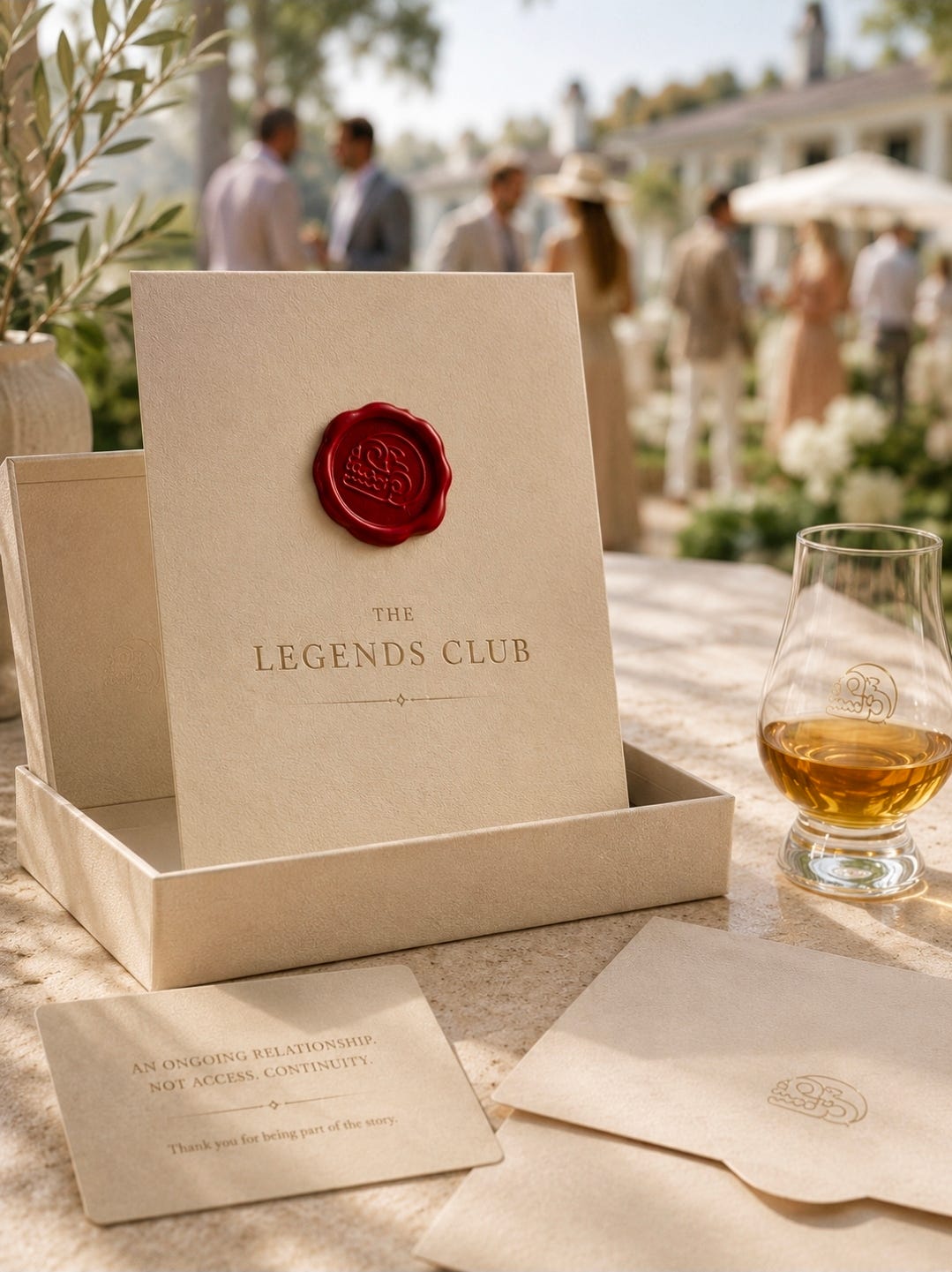
For those who want to belong to that conversation beyond a single encounter — The Legends Club exists as the ongoing relationship. Not access. Continuity.
The Return
The tequila drinker is changing.
Not all of them. Not suddenly. But the most discerning ones — the ones who have moved from Margaritas to Blancos, from Blancos to aged expressions, from aged expressions to the question of what actually differentiates one bottle from another — are arriving at questions the category has not always been comfortable answering.
Where was this agave grown?
How old was it when it was harvested?
What happened to it between the field and the bottle?
These are not expert questions. They are the natural questions of someone whose palate has developed past the point where the label is sufficient.
And increasingly, those questions lead somewhere the industry did not anticipate.
They lead back to the original revelation.
To the understanding that the plant was already extraordinary — that the process was always supposed to protect rather than correct — that the standard existed before the marketing did and will outlast it.
The luxury tequila market learned to construct prestige around perception. The prestige was real, in its own terms. The crystal communicated something. The price point communicated something.
But the most durable prestige has always been different in kind.
It does not communicate.
It simply is.
And eventually, the people who can tell the difference begin to find it.
La Leyenda was never ahead of its time.
It was simply on time.
The category is the one that left — and is now finding its way back.
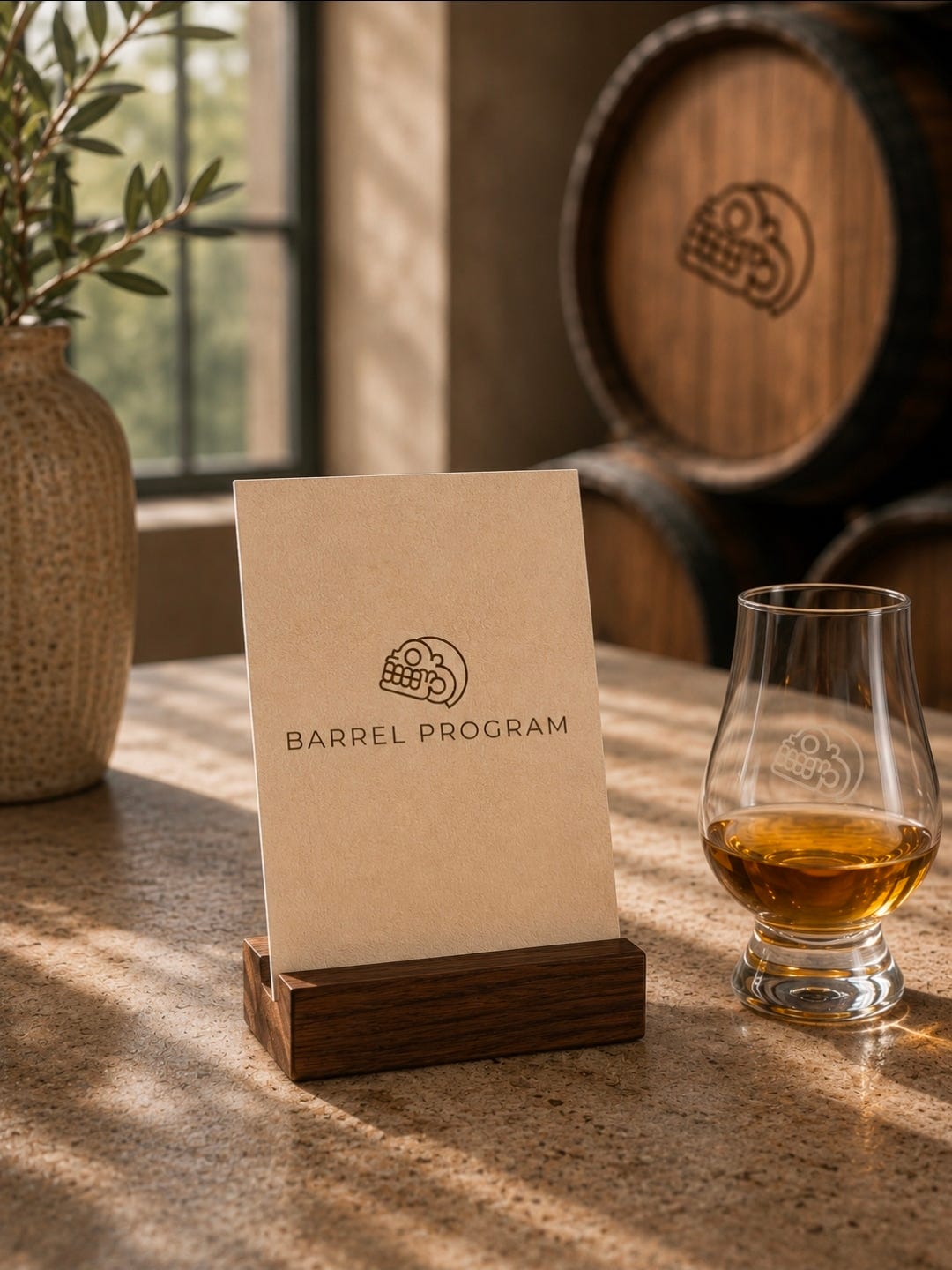
For those who want to take the longest position on what that return looks like in the glass — to participate in the aging process itself, on the same terms the field has always offered — our Barrel Program is that commitment. Reach out directly at concierge@laleyenda.io.
What Remains
The plant is still growing in the Zacatecas Highlands.
It does not know that the category around it has been through a cycle of acceleration and exposure and correction. It does not respond to market conditions or quarterly targets or the opinion of critics in New York.
It simply accumulates.
Season by season. Year by year. The sugars building through mineral stress and altitude and cold nights — the same process it has always followed, before the first denomination was written and long after the current one is revised.
When it is ready, it will be harvested.
Not before.
The standard has not changed.
It never needed to.
Salud.
From MEXICO to the World.
Alejandro Sanchez
Founder, La Leyenda
Los Clásicos Nunca Mueren
“Heroes get remembered… but Legends never die.”